We designed the sensors, wrote the computer vision software that runs on the edge, and built the Pulse Analytics platform ourselves, over more than 25 years. Each part is designed to measure how pedestrians, cyclists, e-scooters and vehicles move through a place, accurately and continuously, on hardware that can run from a solar panel.
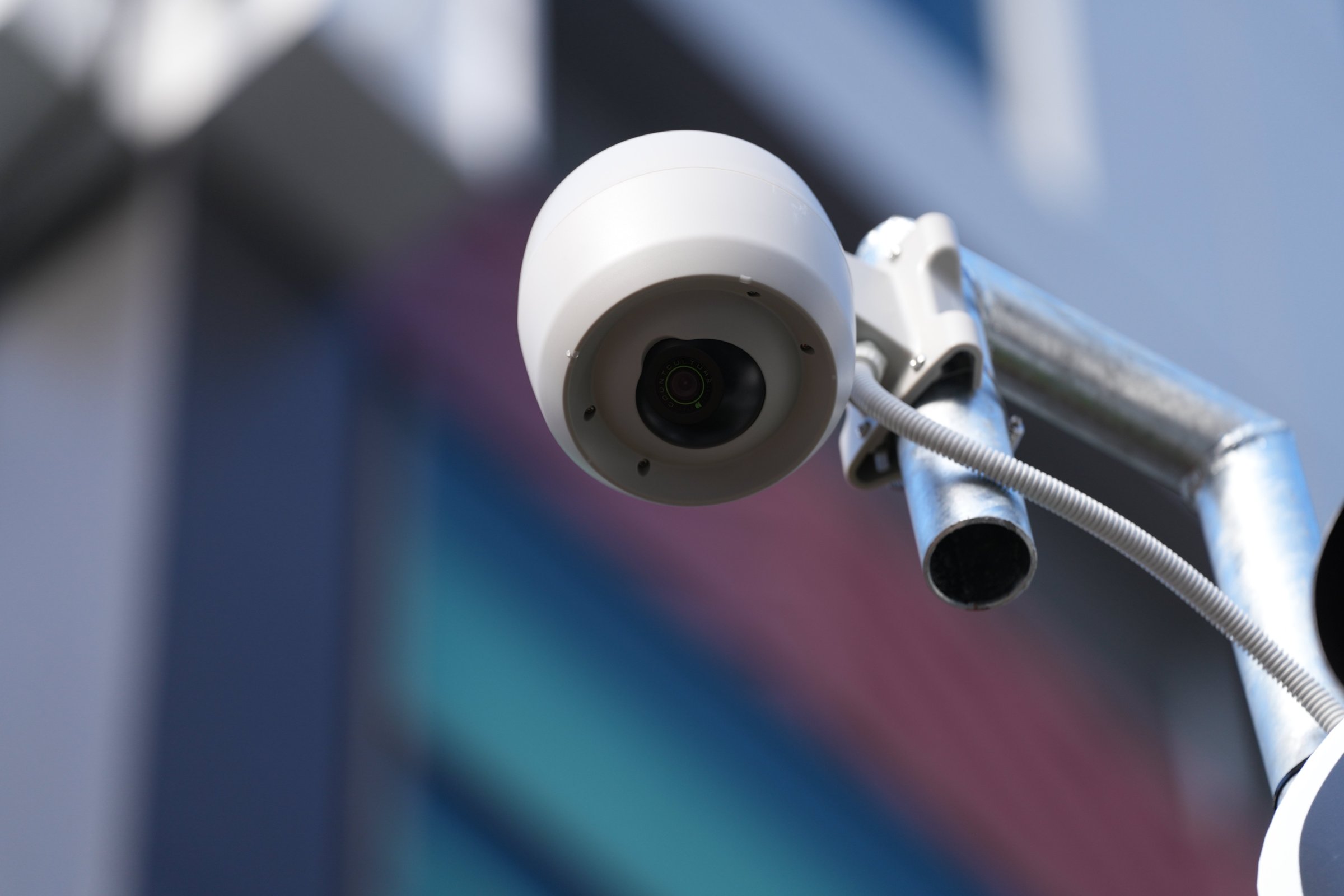
The same computer vision runs in two places. Where a site has no cameras, a Count Pod brings its own and runs it on the edge. Where CCTV infrastructure already exists, the software runs on a server inside your network.

A self-contained sensor with computer vision running on the edge. Video is processed on the pod and discarded; only counts, classes, directions and speeds leave over a private 4G network. Solar or mains, indoor or outdoor, fitted with a lens chosen for its mounting height. Installs in under two hours with no civil works.

The same software, run centrally against the CCTV network a council or venue already operates. It runs on a lightweight CPU server inside your network, and nothing about the cameras changes. Our blue-chip integrated resort clients have used the same approach for more than a decade.
Most counting systems push every frame through a neural network that has to be trained for each site, needs a GPU, and quietly stops working when the scene changes. We do it the other way round.
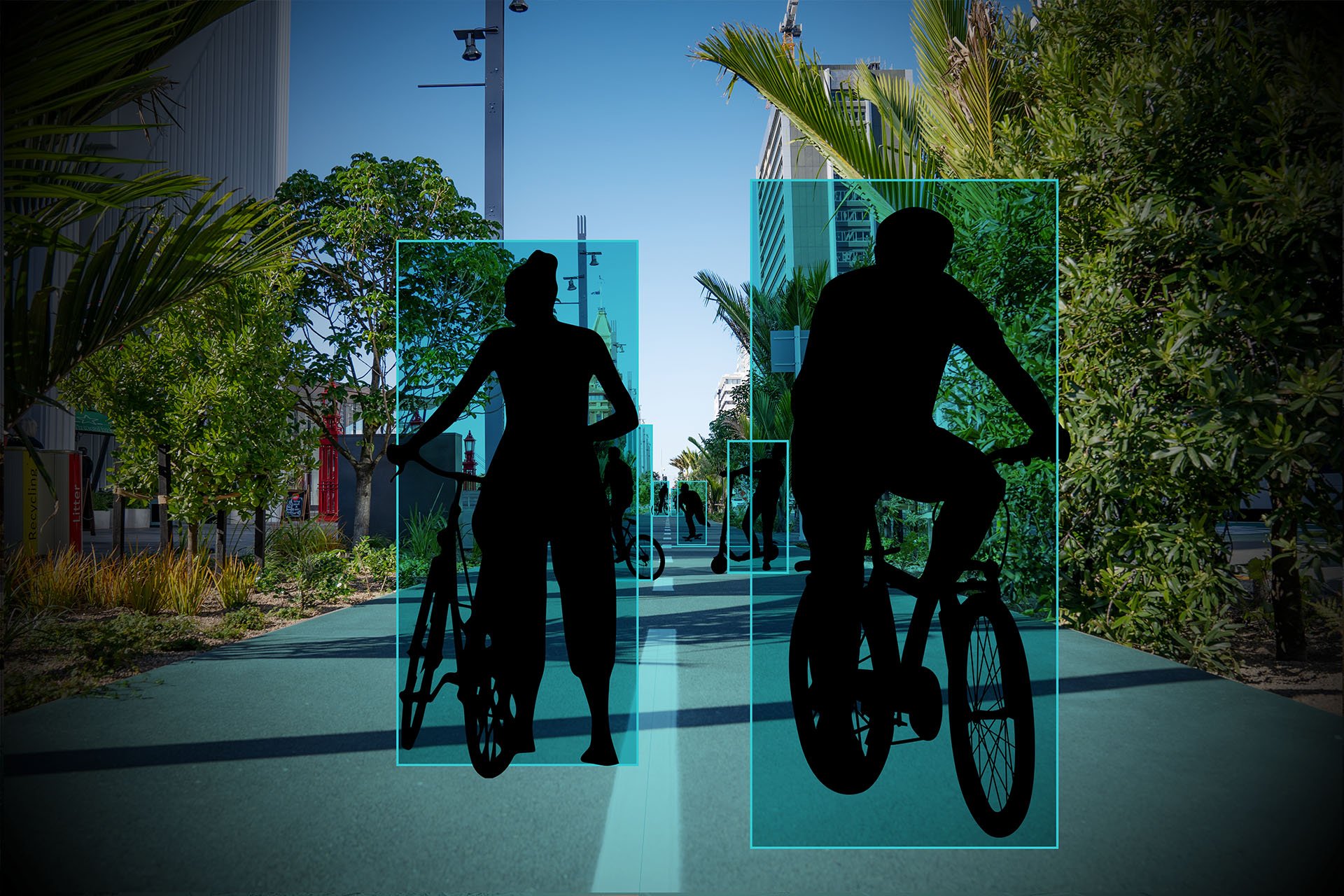
Every deployment is checked against manual counts before it goes live, then watched continuously by the team that built it.
Each sensor gets its own model, tuned to the site, and is validated against manual counts before it reports; for retail entrances that is done in 20-minute intervals. We do not ship a generic model and assume it is accurate.
Every sensor is monitored continuously: system health, data-mart updates, polling errors and camera alarms such as blur, field-of-view shifts, contrast drops, and obstructions moving into view. Alerts reach our engineering team, who intervene remotely before a drift reaches your reports, under an SLA with guaranteed response and resolution times.
Network drops are reconstructed automatically. If power is lost and nothing was counted, the team backfills from the record. The data set stays complete either way.
LabelliO is our own labelling and modelling platform. It trains new classes and sends them to sensors over 4G, so a pod installed today keeps gaining capability for as long as it is in service, without anyone visiting the site.
We collect no personally identifiable information and comply with the Privacy Act 2020. The system is built so there is no personal information to collect.
Video is processed on the pod, or on a server inside your network, and then deleted. What leaves is counts, classes, directions and speeds.
Retail counting cameras are mounted overhead, looking straight down. That is the angle accurate counting needs, and it also means they cannot capture a face.
Each client has its own schema in AWS RDS PostgreSQL, its own application servers on separate network segments, separate credentials per role, TLS-only traffic and audit logging.
The data our systems generate belongs to the client. Heart of the City has published its Countculture counts as open data under Creative Commons since 2012.
Our Chief Scientific Officer, Dr Alan McIvor, built one of the first automated people counting systems. Five papers explain the decisions behind the current one.

The FernMark is an independent certification that the Count Pod, the computer vision software and Pulse Analytics are New Zealand products. Development and support happen in New Zealand, by one team that owns the sensor, the software and the platform.